
Dizziness
Dizziness is a common modern health issue. According to statistics in Taiwan, over 100,000 people have experienced dizziness.
It can occur suddenly, making one feel the room spinning and unable to stand. Many people worry it may be a sign of a stroke.
"Dizziness" is not a disease itself but a symptom. It is related to the body’s balance system, the cerebellum, eyes, ears, and proprioception (joints and muscles).
The vestibular system in the inner ear sends balance signals to the brain, helping the body perceive head position and motion.
When the balance system malfunctions, asymmetric signals reach the brain, creating the sensation of movement even when still, resulting in dizziness.
Dizziness differs from lightheadedness, which feels like heaviness or unsteadiness. True dizziness often feels as if the surroundings are spinning and can cause nausea.
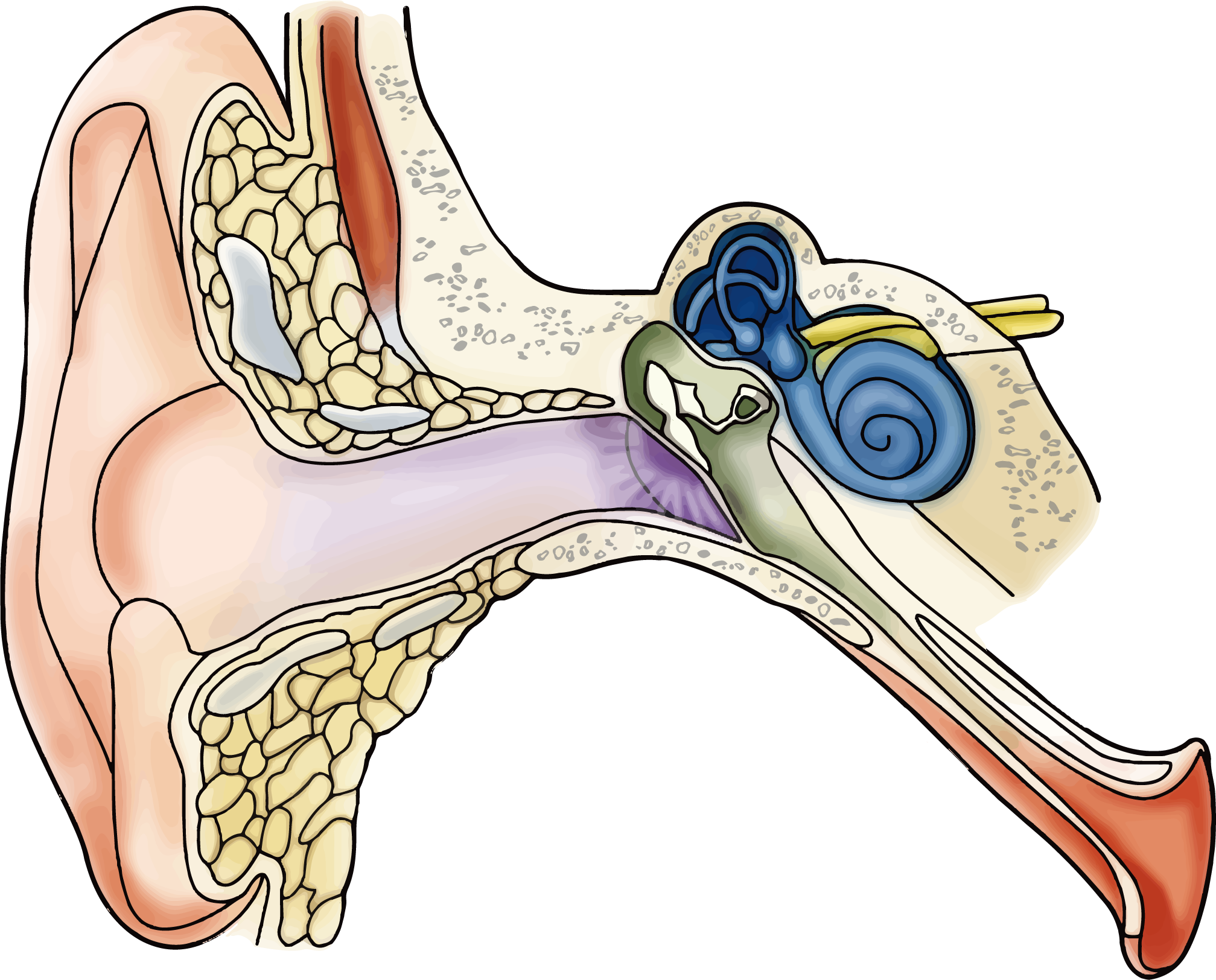
Common causes of dizziness include inner ear imbalance, stroke, and autonomic nervous system dysfunction.
The most frequent inner ear disorder is Ménière’s disease, caused by fluid buildup affecting auditory cells, leading to spinning sensations lasting several hours, ear fullness, and recurrent dizziness episodes.
Central dizziness, caused by brain disorders such as cerebellar or brainstem strokes, can also occur. Early signs may include abnormal eye movements not easily noticed by the patient.
Some dizziness is due to autonomic dysfunction, often associated with stress, insomnia, or frequent urination.
When dizziness occurs with stroke, warning signs include facial asymmetry, limb weakness, or sudden hearing loss, which requires urgent medical attention.
Dietary considerations:
For dizziness related to stroke, high blood pressure, or high cholesterol, avoid overly salty, oily, or sweet foods.
For inner ear-related dizziness (e.g., Ménière’s disease), avoid dairy, tomatoes, citrus, and chocolate, which contain amino acids that can trigger dizziness.
Maintaining a regular lifestyle and avoiding sleep deprivation is essential, as stress and irregular sleep are common risk factors for dizziness.