

Parotid Surgery
Where is the Facial Nerve?
The Facial Nerve (Cranial Nerve VII) controls facial muscle movements (see images below). There is one on each side of the face, governing expressions such as raising the eyebrows, closing the eyes, and smiling.
During parotid (salivary gland) surgery, the lesion may be close to or intertwined with the facial nerve, so it is often necessary to identify and carefully dissect it. Accidental injury to the facial nerve can cause facial paralysis, leading to changes in appearance and asymmetry of facial expressions.
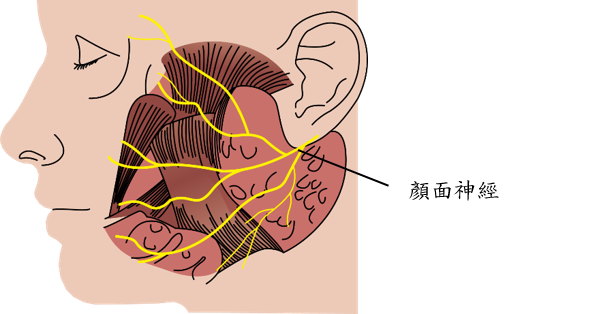
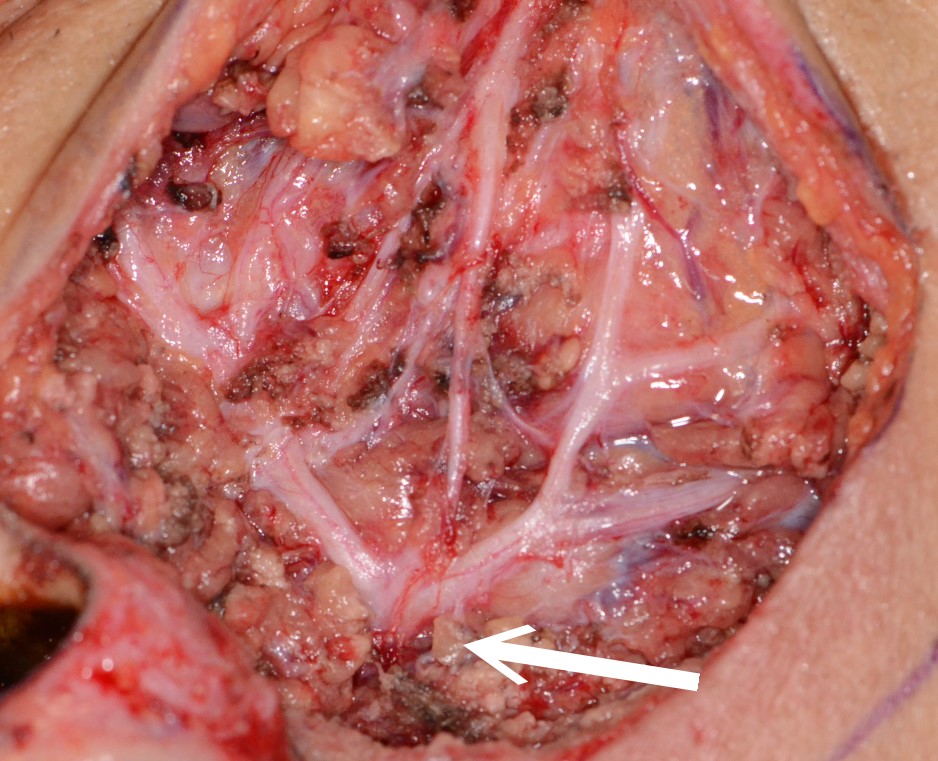
The white arrow in the right image indicates the facial nerve.
Facial Nerve Monitoring System
What is the Facial Nerve Monitoring System?
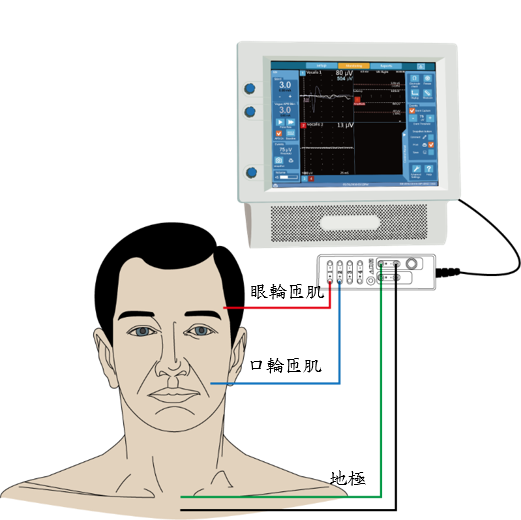
The facial nerve monitoring system is used during surgery to continuously detect nerve activity. Surgeons use it in operations where there is a risk of facial nerve injury. The system has two components:
— Subcutaneous electrodes and a probe (single-use for precision and infection control). After general anesthesia, electrodes are placed under the skin at specific facial points. The probe helps the surgeon locate and identify nerve branches. When the electrodes detect electrical signals, the device displays an electromyogram and emits an alert sound, helping the surgeon identify and preserve the nerve during surgery, reducing the risk of complications.
Which surgeries use the Facial Nerve Monitoring System?
- Parotid tumor removal
- Acoustic neuroma surgery
- Cholesteatoma surgery
- Cochlear implant surgery
- Any surgery that may approach the facial nerve
Why is nerve monitoring necessary?
The facial nerve has complex and delicate functions. Monitoring its activity during surgery increases precision and helps locate the exact position of the nerve, ensuring postoperative nerve function and significantly reducing surgical risks and complications.
FAQ
Q: Does using the facial nerve monitoring system completely prevent nerve injury during surgery?
A: The system is designed to reduce the risk, but nerve injury cannot be fully prevented. Tumors, especially malignant ones, may involve the nerve, and some risk remains despite monitoring.