PTeye Parathyroid Detection System
New Technology for Parathyroid Protection in Surgery
During thyroid surgery, parathyroid glands are often hidden within the thyroid or resemble fat tissue, making them vulnerable to injury. Damage can lead to hypocalcemia, with common symptoms including numbness and muscle cramps in the hands and feet.
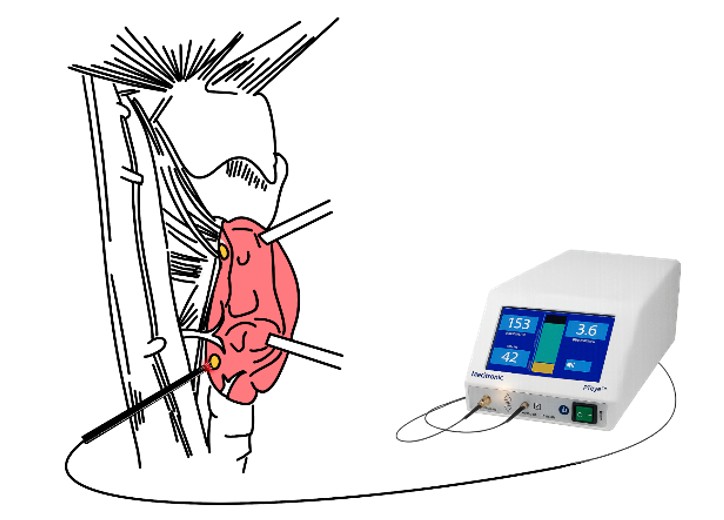
A new technology, the PTeye Parathyroid Detection System, uses a special laser to detect the parathyroid glands’ natural autofluorescence. No injection is needed, and its sensitivity can reach 90%. When a parathyroid is detected, an audible alert helps the surgeon locate it quickly and accurately, thus preserving parathyroid function.
Even if a parathyroid gland is removed, if it is confirmed as parathyroid tissue, the surgeon can autotransplant it back into the patient’s body, allowing gradual recovery of function.
This technology reduces the risk of postoperative hypocalcemia and improves patient safety. However, it is not yet covered by health insurance and requires out-of-pocket payment. At Far Eastern Memorial Hospital ENT Department, this technology was first introduced in 2025. On average, more than one parathyroid gland per side can be preserved during surgery, greatly reducing the chance of postoperative hypoparathyroidism after thyroid surgery.