

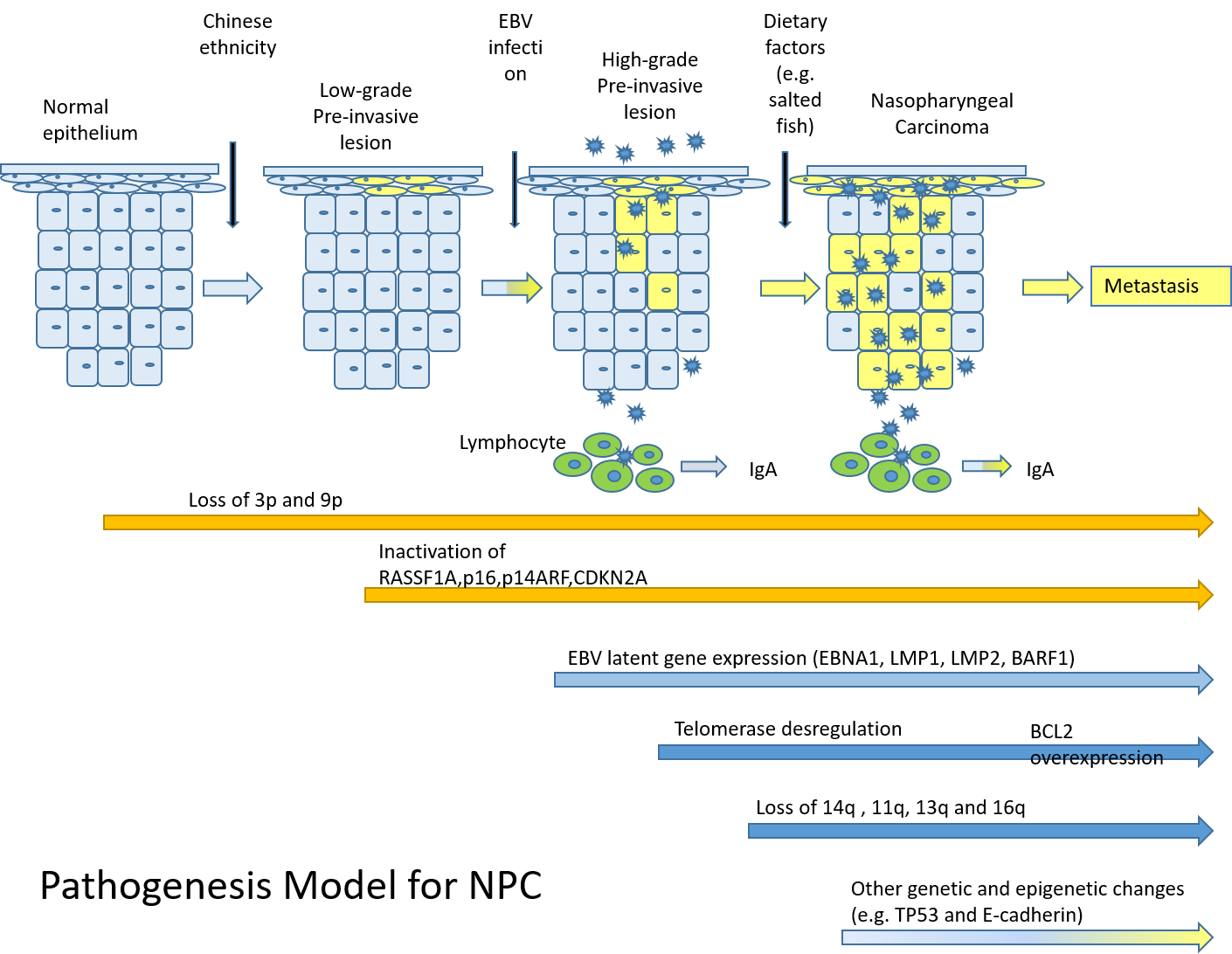
Nasopharyngeal Carcinoma (NPC)
NPC is relatively common in Taiwan. Its causes are associated with genetics, Epstein-Barr Virus (EBV), and lifestyle factors.
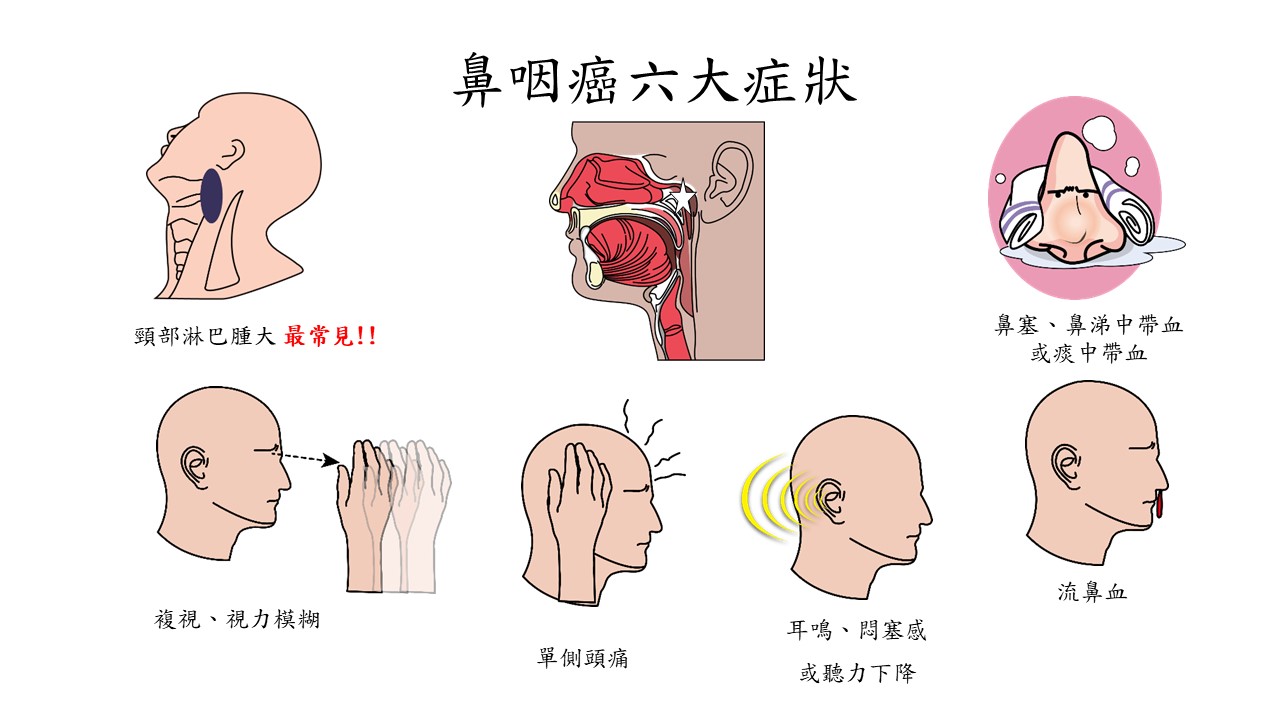
Six Major Symptoms of NPC:
- Cervical lymph node enlargement: Most common and early symptom; usually painless and may fluctuate in size.
- Head and neck pain: Some patients present with unilateral headache. Unexplained persistent headaches should raise suspicion of NPC.
- Oral/nasal bleeding: Blood in morning sputum or recurrent nosebleeds.
- Nasal or nasopharyngeal symptoms: Nasal obstruction or purulent nasal discharge, often misdiagnosed as sinusitis.
- Ear symptoms: Hearing loss, tinnitus, or ear fullness.
- Neurological symptoms: Tumor invasion into the cranial cavity can cause cranial nerve palsy, resulting in double vision or other deficits.
Early diagnosis of NPC typically leads to excellent prognosis. Delayed treatment may result in poorer outcomes.
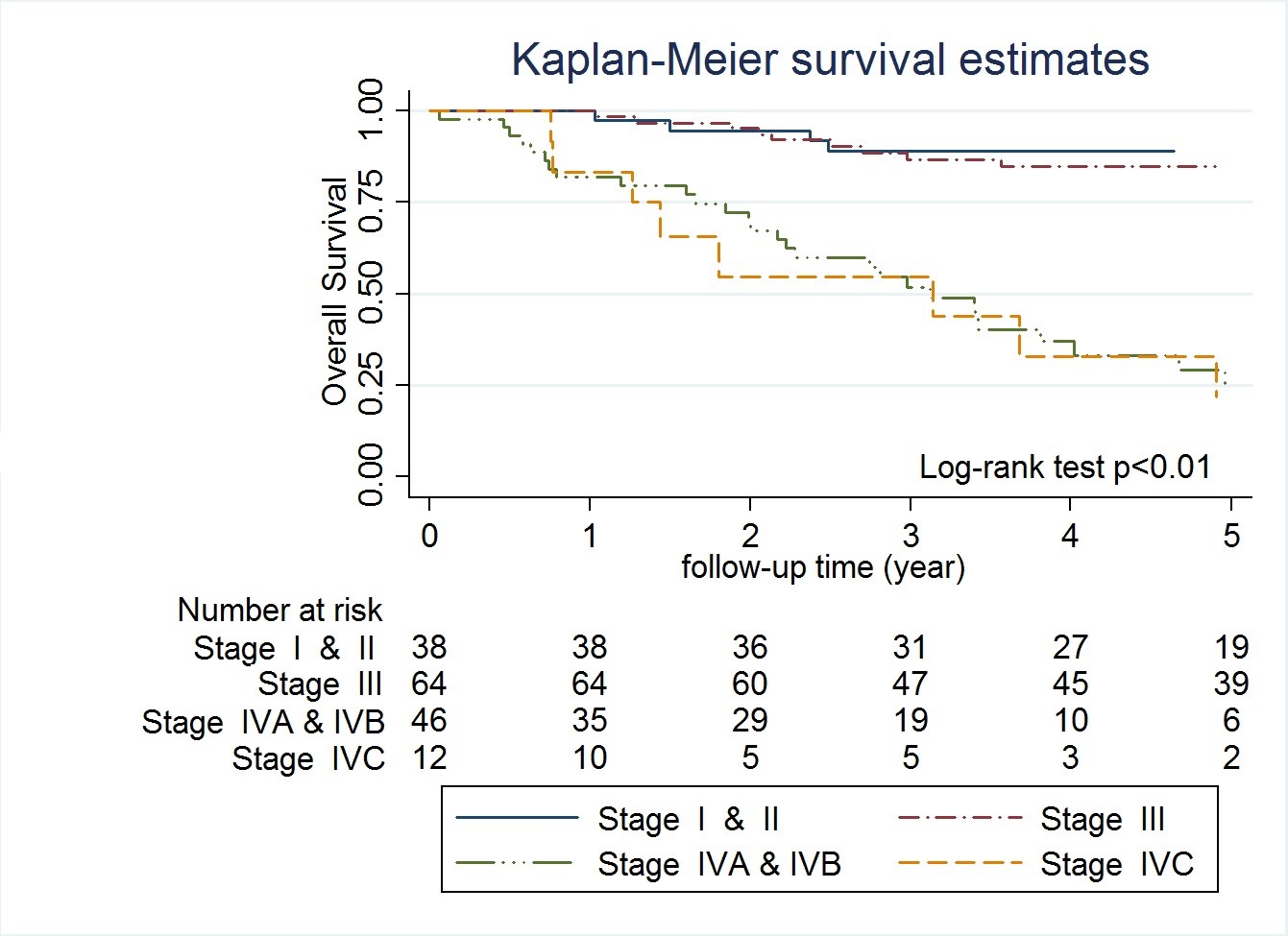
The above chart shows post-treatment survival rates. Stages I–III have a 5-year survival rate >85%, while stage IV is significantly lower. See our research publication for reference.
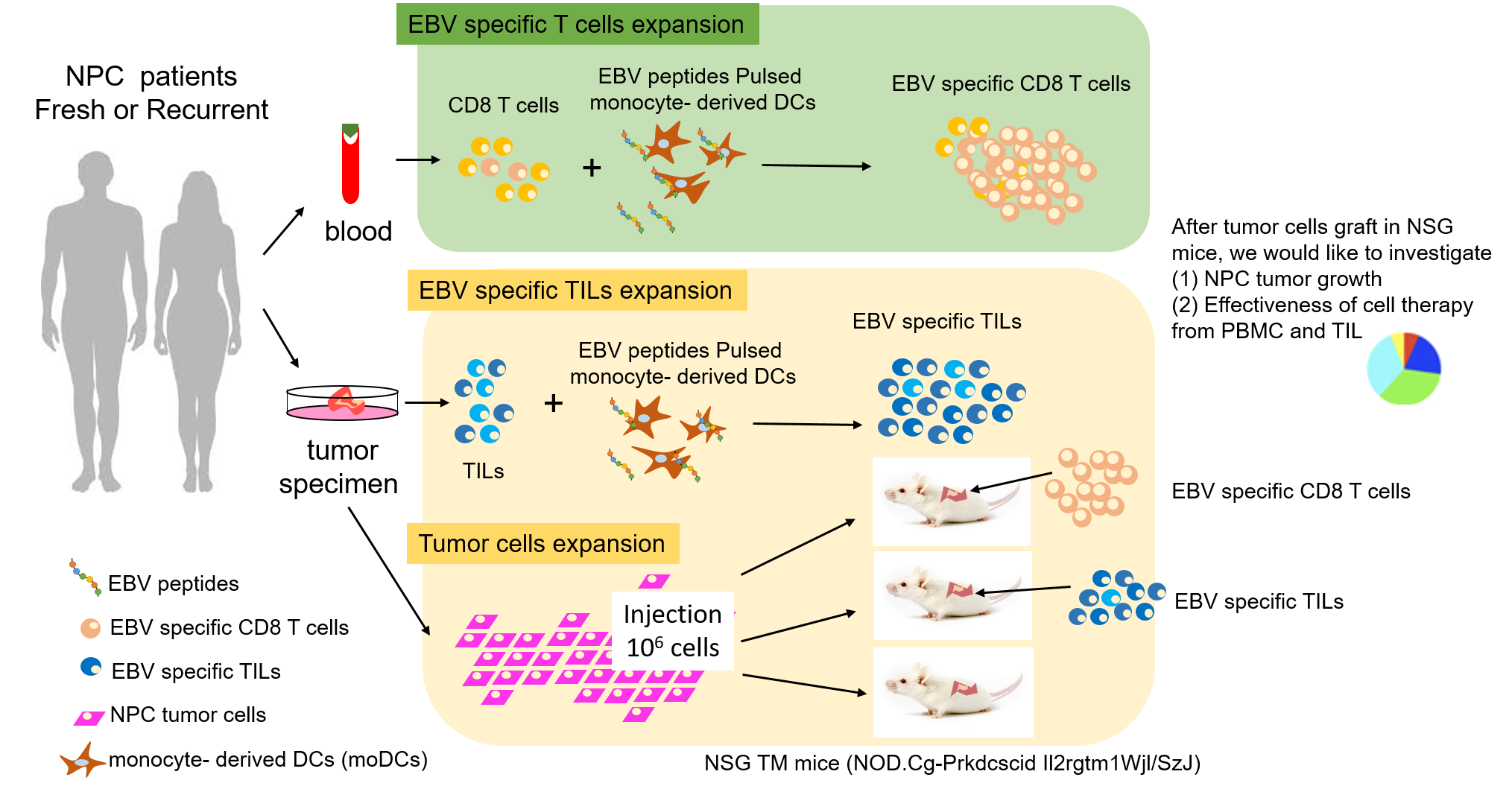
Research Direction: EBV-Specific T Cell Immunotherapy for Advanced NPC
Survival for recurrent or stage IV NPC is relatively poor. Autologous immune cell therapy may provide an alternative option.
T-cell therapy was pioneered by Steve Rosenberg at the National Institutes of Health for melanoma using tumor-infiltrating lymphocytes. His study showed that 15–20% of late-stage melanoma patients achieved long-term remission after cell therapy, demonstrating the potential of T-cell therapy for advanced solid tumors.
In Taiwan, nearly 100% of NPC expresses high levels of EBV antigens. In our innovative program, EBV-specific T cells will be used for autologous cell therapy, which is more targeted than general non-specific CIK cell therapy.
International innovation aspects of this project include:
- Combination with PD-1 immune checkpoint blockade therapy
- Evaluation of EBV-specific T cell polyfunctionality in-house to measure therapeutic effectiveness and monitor long-term changes of infused cells in patients.